The safest way to secure heavy cargo in a pickup truck bed is to keep the load within the vehicle’s payload limit, place the heaviest items low and centred against the headboard, and restrain everything with rated ratchet straps attached to proper anchor points. A firm tug on every strap before you leave, followed by a tension check within the first 10 to 15 minutes of driving, keeps the load from shifting as it settles on the road.
At SCTR (Southern Cross Truck Rentals), this is advice we give every day. Our team at Smeaton Grange in South Western Sydney hires out utes, flatbeds, tautliners and moving trucks to tradies, small businesses and families moving house. We talk customers through safe loading when they pick up a vehicle, and we’ve seen how often a rushed job goes wrong. A washing machine that slides into the tailgate or a pallet that shifts on a roundabout is usually the result of a missed step rather than bad luck.
Securing your load properly is also a legal requirement. Across Australia, it is illegal to drive with a load that isn’t restrained to the performance standards in the NTC Load Restraint Guide for Light Vehicles. In NSW, an unsecured load can lead to fines and demerit points. This guide takes you through each step, using that national guide and what our hire team deals with every day on Sydney roads.
How to Prepare Heavy Cargo for Safe Transport?
Preparing heavy cargo means knowing its weight and confirming the vehicle and restraint points can handle it.
Check the Cargo Weight and Vehicle Load Limit
Find the payload on the vehicle’s compliance plate or in the owner’s manual. Payload includes passengers and accessories, so a canopy, a toolbox, and two adults all reduce the remaining capacity for cargo. Many dual-cab utes are rated at around one tonne or less. Don’t guess an item’s weight; check its specifications.
Inspect the Truck Bed, Anchor Points and Restraints
Sweep out debris. Check tie-down points for cracks, rust or bending, and straps for cuts, fraying or a worn ratchet. A strap is only as strong as the anchor it’s attached to.
How to Secure Heavy Cargo in a Pickup Truck Bed
Securing heavy cargo is a four-part job: position the load, choose rated tie-downs, tension them properly, and block movement in every direction.
Position the Load for Stability
Place the heaviest items at the front against the headboard, centred between the wheel arches. Low, forward weight protects steering and braking. Lighter items go behind or on top.
Choose the Correct Rated Tie-Downs
Quality ratchet straps carry a label showing their lashing capacity (LC), and your combined restraints must hold the forces the load can generate. Ratchet straps suit heavy, rigid items. Occy straps and old rope don’t.
Attach and Tension the Restraints Correctly
Hook each strap to a rated anchor point, never to a tailgate latch or plastic trim. Keep webbing flat and untwisted, and use edge protectors over sharp corners. Ratchet until the strap is tight and the load barely compresses, without crushing it.
Prevent Forward, Backward, and Sideways Movement
The NTC Load Restraint Guide 2018 sets the forces your restraint system must resist: 80% of the load’s weight forward, 50% rearward and sideways, and 20% upward. Combine headboard blocking, rubber matting, and lashings pulling in opposite directions.
How to Check a Secured Load Before Driving
A final check takes minutes and catches problems before they become incidents.
Check Restraint Tension and Anchor Points
Walk around the vehicle and pull on each strap. Confirm hooks are seated, ratchets are locked, and loose tails are tied off.
Test for Load Movement
Push the load firmly from each side. If anything rocks, slides or lifts, add another restraint or re-block it before you leave.
Recheck the Load During the Journey
Straps loosen as loads settle. Recheck after the first 10 to 15 minutes and at every stop.
Common Heavy Cargo Tie-Down Mistakes to Avoid
Most load failures come down to a handful of avoidable mistakes:
- Using occy straps or worn rope on heavy items
- Hooking straps to the tailgate or non-rated points
- Assuming a heavy item is too heavy to move
- Twisted straps with no edge protection
- Exceeding the vehicle’s payload
Heavy Load Restraint Requirements for Utes in Sydney
In Sydney and across NSW, utes must meet the performance standards in the NTC Load Restraint Guide for Light Vehicles 2018, plus state rules on how far a load can project. Rear overhang is generally limited to the lesser of 60% of the wheelbase or 3.7 m from the rear axle. Anything extending more than 1.2 m past the rear needs a brightly coloured flag at least 300 mm square by day, or a red light at night, and your number plate and tail-lights must stay visible. Confirm current rules with Transport for NSW.
When a Pickup Truck May Not Be Suitable for Heavy Cargo?
A pickup isn’t the right choice when the load is heavier than its payload, longer than the tray allows or too tall to restrain safely. A pickup truck rental suits a fridge or a few cement bags, but pallets, machinery or a full house of furniture need a flatbed, tautliner or moving truck.
Why Choose SCTR for Moving Truck Rental in Sydney?
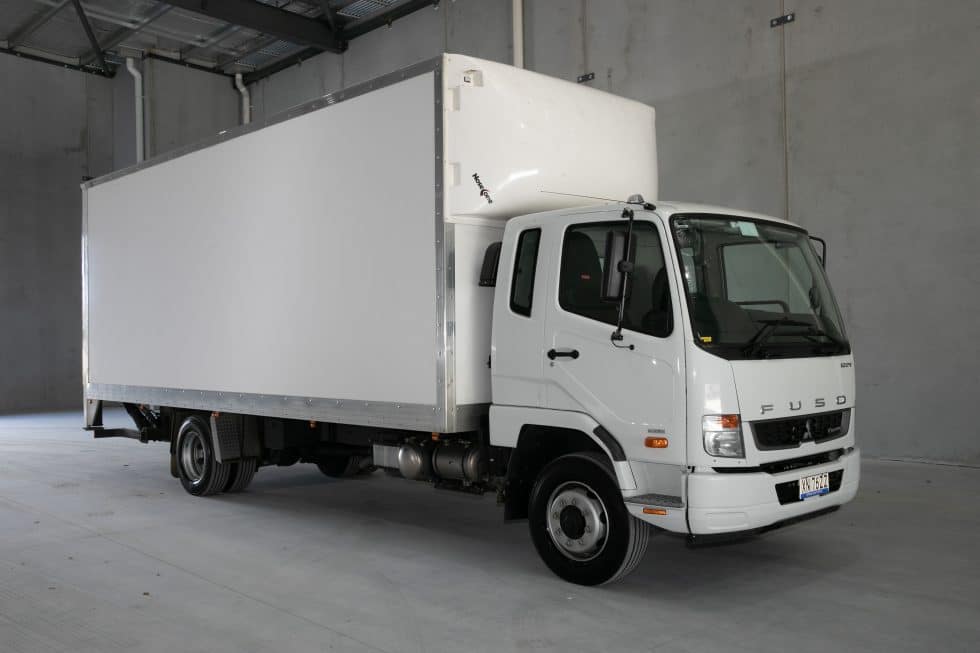
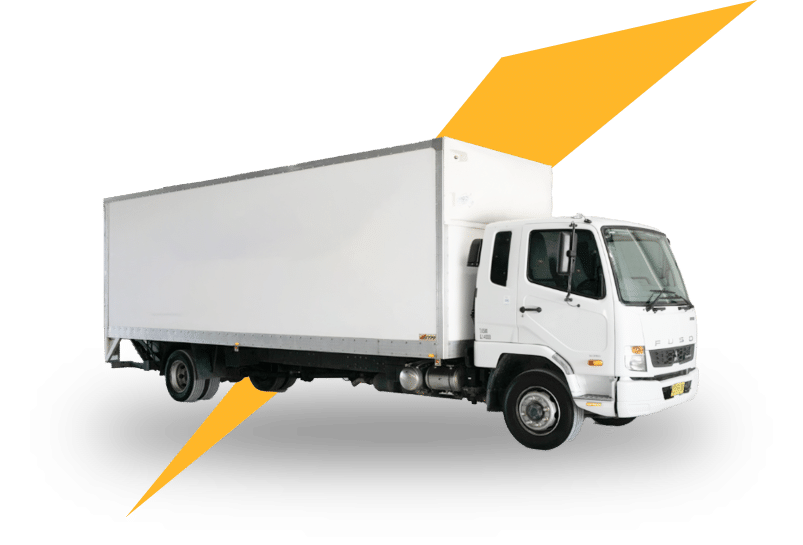
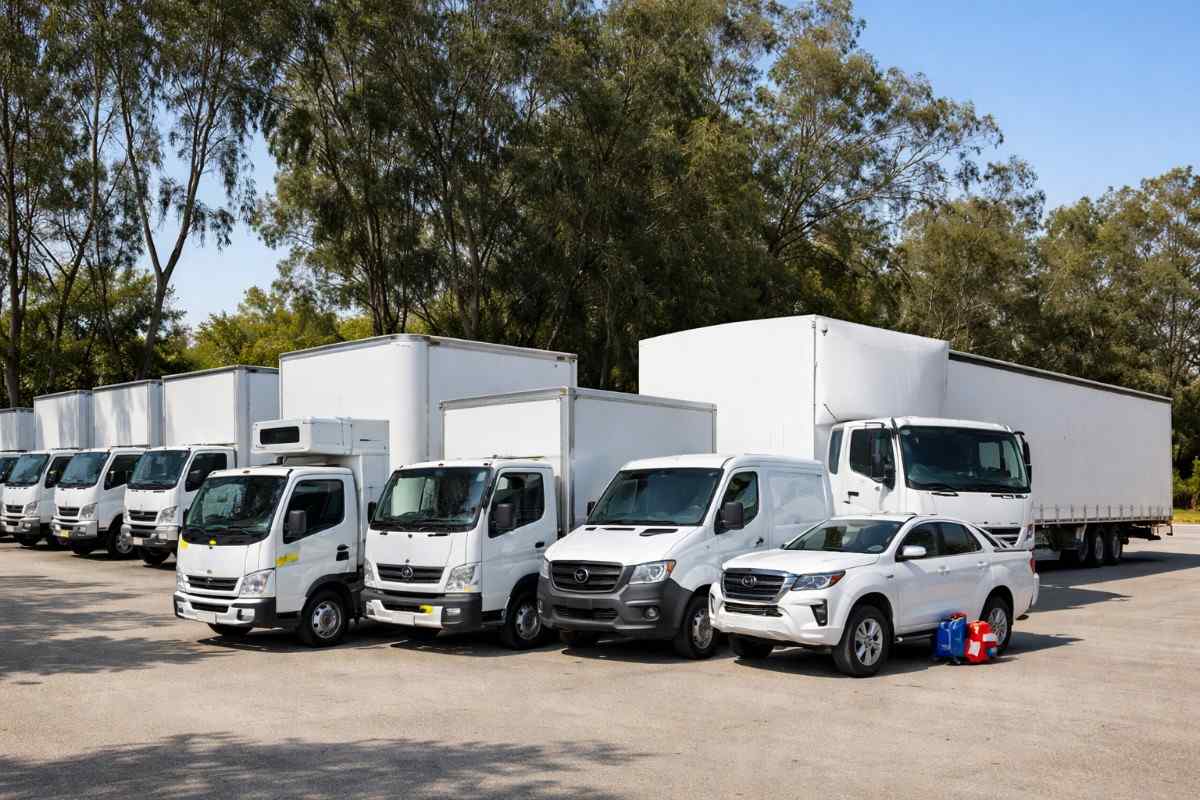
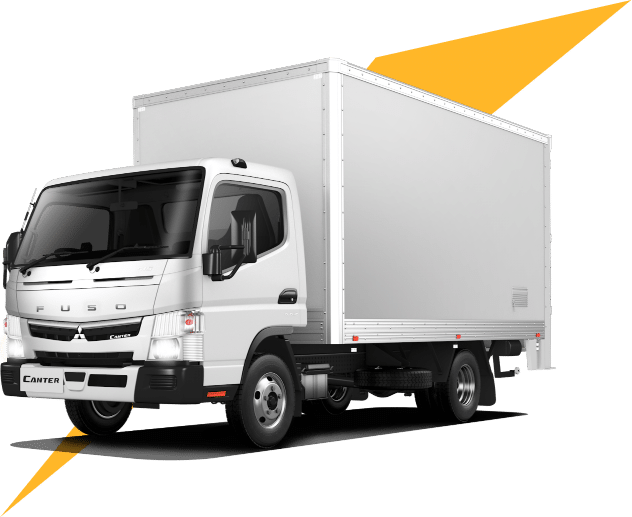
SCTR matches the vehicle to the load, so you never force a heavy job into a ute. Southern Cross Truck Rentals offers moving trucks, pantechs, flatbeds, tautliners, tippers, vans and utes from our Smeaton Grange depot, with flexible hire periods, regularly serviced vehicles, roadside support and no hidden fees. Our team will help match the truck to your cargo.
Make Your Sydney Move Easier With SCTR
Securing heavy cargo safely comes down to four things: know the weight, position it low and forward, use rated restraints and keep checking them. If your load is too big or heavy for a pickup, SCTR has a truck rental to suit. Browse our trucks and book online or call 1800 878 254 to speak with our Sydney team.
Frequently Ask Questions
1. Does Southern Cross Truck Rentals offer one-way truck hire from Sydney for interstate moves?
Yes, Southern Cross Truck Rentals offers one-way truck hire from Sydney to selected interstate destinations, including Melbourne, Brisbane, Canberra and Adelaide. You can collect your truck in Sydney and return it to an approved destination without making a return journey.
2. How much does one-way truck hire from Sydney cost?
The cost of one-way truck hire from Sydney depends on your destination, truck size and rental period. Southern Cross Truck Rentals offers flexible rental options for interstate moves. Contact the team for a personalised quote based on your travel plans.
3. What size truck can I hire for an interstate move from Sydney?
Southern Cross Truck Rentals offers 3-tonne and 8-tonne Pantech trucks for selected interstate routes. The 3-tonne truck can be driven with a standard Australian car licence, while the 8-tonne truck requires the appropriate heavy vehicle licence. Choose a truck based on the volume of your belongings.
4. Can I hire a one-way truck from Sydney to Melbourne or Brisbane?
Yes, Southern Cross Truck Rentals offers one-way truck hire from Sydney to selected destinations, including Melbourne and Brisbane. You can collect your truck in Sydney and return it to an approved location at your destination. Contact the team to confirm availability and pricing for your preferred route.
5. Is one-way truck hire from Sydney suitable for home and office relocations?
Yes, one-way truck hire is suitable for interstate home moves, office relocations and commercial transportation. With over 20 years of truck rental experience, Southern Cross Truck Rentals provides different truck sizes and optional moving accessories to help customers transport furniture, equipment and other belongings.
6. How can I book one-way interstate truck hire from Sydney?
You can book one-way interstate truck hire by contacting Southern Cross Truck Rentals on 1800 878 254 or submitting an online enquiry. Provide your pickup date, destination and preferred truck size to request a quote and confirm vehicle availability.