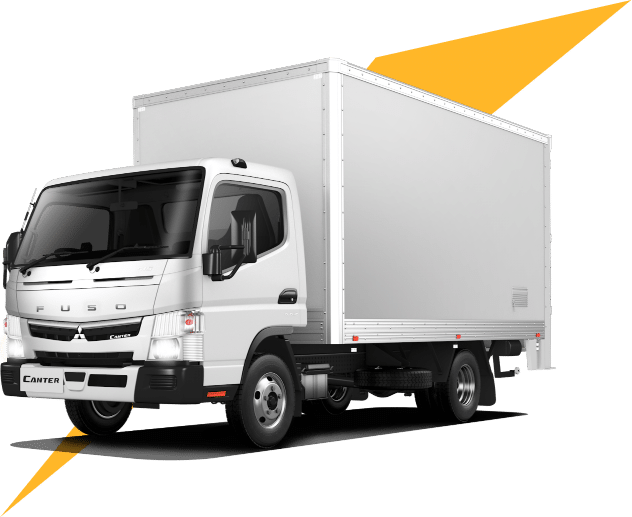
Growing a business across Greater Sydney means moving more stock, more often, and usually with less notice than you’d like. The fastest way to do that without tying up cash in vehicles you might only need for a few months is truck hire sydney businesses have relied on for years. Instead of committing to a purchase, you get access to the right vehicle at the right time, and you keep your capital free for stock, staff, or the next site you’re opening. This guide walks through what actually matters when picking a commercial vehicle for expansion: the specs, the licences, the costs, and the questions most operators ask before they sign anything.
Calculating Payload, Volume, and Body Types for Commercial Freight
Getting the vehicle size wrong is one of the most common (and expensive) mistakes new fleet operators make. Before you book anything, work out what you’re actually carrying, how much space it takes up, and how it needs to be loaded and unloaded.
Matching Cargo Volume: Flatbeds, Pantechs, and Curtain-Siders (Tautliners)
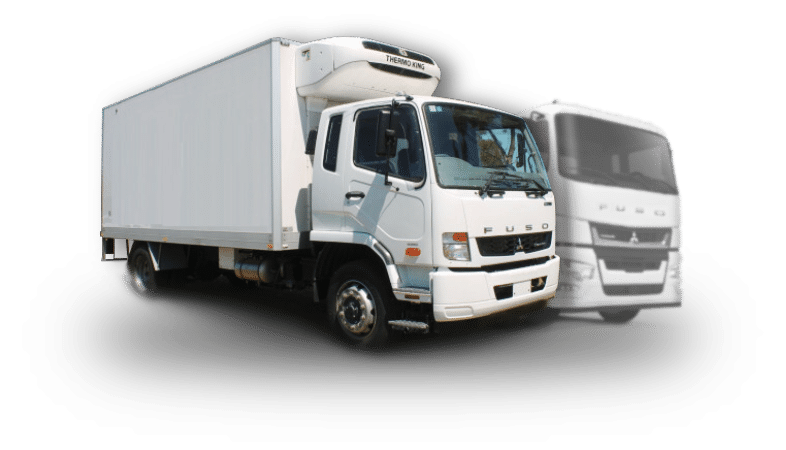
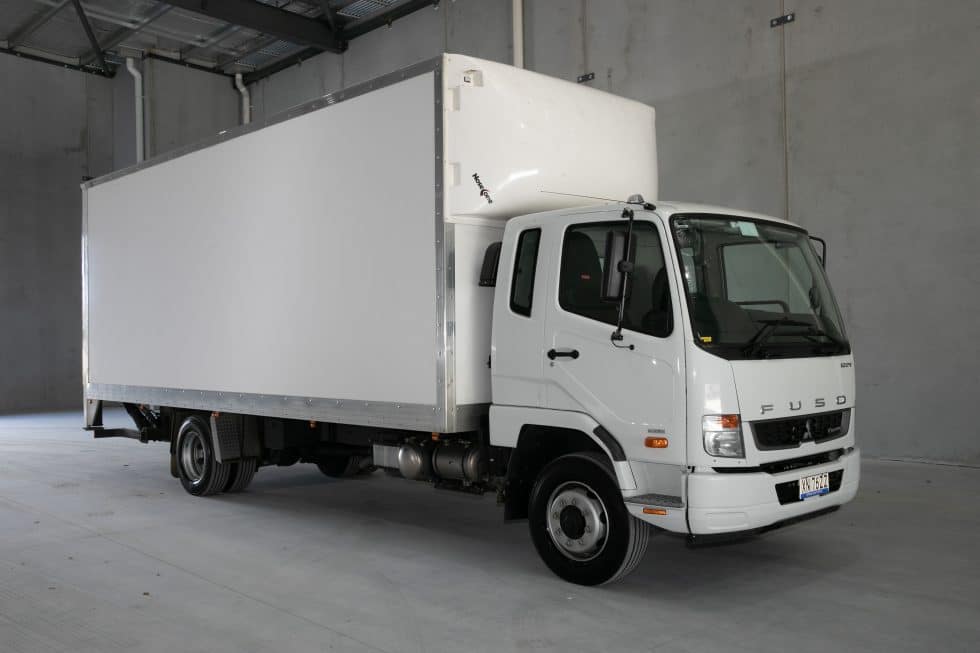
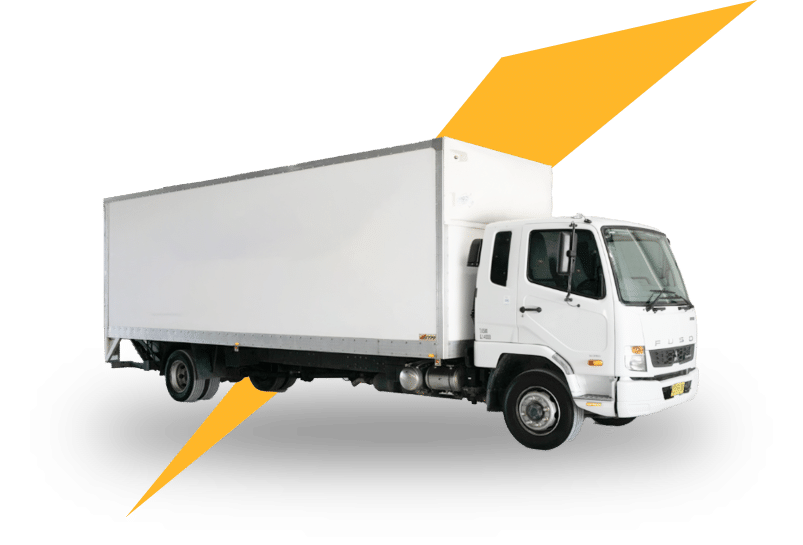
A flatbed suits palletised or oversized loads that need crane or forklift access from any angle. A pantech is fully enclosed, so it protects goods from weather and works well for furniture, retail stock, or anything that has to stay dry. A curtain-sider, or tautliner, gives you side-loading access while still keeping the load covered, and that combination suits mixed freight runs across multiple job sites in a day.
Payload Weight Limits: Preventing Overloading Fines and Vehicle Wear
Every truck has a Gross Vehicle Mass (GVM) rating, and going over it can attract heavy fines in NSW on top of being unsafe. It also wears out tyres, brakes, and suspension faster than they should. Check the payload figure against your heaviest realistic load, not your average one.
Driver Licence Requirements and Heavy Vehicle Compliance in NSW
Licensing catches a lot of businesses off guard, particularly when a new hire or a growing fleet pushes vehicle size past what current staff can legally drive.
Standard C-Class Drivers: Operating Vehicles Up to 4.5T GVM
Anyone with a regular car licence can drive vehicles up to 4.5 tonnes GVM, which covers most vans and small pantechs. This is usually the easiest starting point for businesses expanding without hiring specialist drivers straight away.
Medium & Heavy Rigid (MR/HR) Licences: Unlocking Larger Freight Capacities
Once you need bigger trucks, your drivers will need an MR or HR licence depending on the vehicle’s axle configuration and weight. It’s worth confirming your team’s current licence class before you book a larger truck, so there’s no delay on delivery day.
Financial Strategy: Preserving Capital by Hiring vs. Buying
Buying a truck outright locks up capital, adds depreciation to your books, and leaves you exposed if demand slows down. Truck hire avoids all of that. Rental payments are typically tax-deductible as a business expense, there’s no resale risk, and you can scale your fleet up or down as contracts change, without carrying an asset you no longer need.
Navigating Greater Sydney’s Urban Logistics and Toll Network
Sydney’s toll roads, clearway restrictions, and inner-city loading zones can quietly eat into delivery margins if they’re not factored into route planning. Choosing the right size vehicle also matters here, since oversized trucks can be restricted from certain routes and tunnels during peak periods.
Managing Fleet Maintenance, Upkeep, and Downtime Guarantees
A vehicle breakdown mid-delivery rarely just costs the price of the repair. It can cost you a missed deadline and an unhappy client on top of it. With a rental agreement, servicing, roadworthy compliance, and breakdown cover usually sit with the hire company rather than your operations team.
Scalability Options for Seasonal Spikes and Short-Term Contracts
Retail peaks, construction milestones, and one-off contracts rarely line up with a fixed fleet size. Truck rental sydney agreements let you add vehicles for a week, a month, or a full season, then hand them back once the work is done, rather than sitting on idle assets for the rest of the year.
Partnering with Southern Cross Truck Rentals for Business Growth
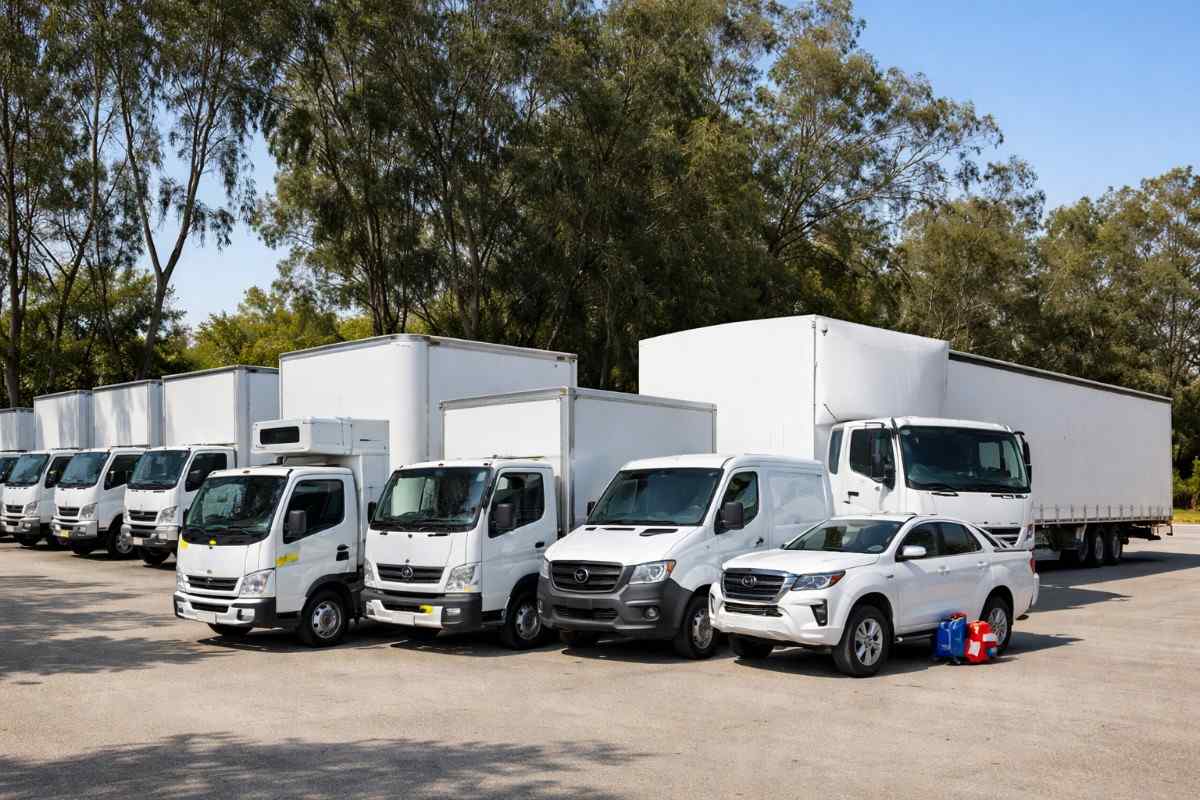
Southern Cross Truck Rentals works with Sydney businesses of all sizes to match vehicle specifications to real operational needs. That might mean a single flatbed for one job or a short-term fleet expansion across several sites, but either way the vehicle is picked to fit the work, not just to fill the booking.
Drive Business Expansion with the Right Logistics Partner
Choosing the right truck comes down to matching payload, licensing, and budget to how your business actually operates day to day. Get that right and hiring stops being a chore and starts helping your business grow. Talk to Southern Cross Truck Rentals about your next hire and get a vehicle that fits your expansion plans.
FAQs
What size commercial truck do I need for my business expansion in Sydney?
It depends on your heaviest regular load and the space it takes up. Start with your payload weight and cargo volume, then match that to a flatbed, pantech, or curtain-sider.
What is the difference between a Pantech and a Tautliner for commercial freight?
A pantech is fully enclosed on all sides, which suits goods that need weather protection. A tautliner has a curtain side for faster loading and unloading, which works well for mixed deliveries.
What driver’s licence is required to hire a commercial truck in Sydney?
A standard car licence covers vehicles up to 4.5 tonnes GVM. Anything heavier needs a Medium Rigid (MR) or Heavy Rigid (HR) licence.
Is it better to choose daily truck hire or a long-term commercial vehicle lease?
Daily hire suits short jobs or unpredictable demand, while a longer agreement makes sense if you know you’ll need the vehicle consistently for months at a time.
What insurance and damage liability cover is included with commercial truck hire?
Cover varies by provider and vehicle, so it’s worth confirming what’s included and what excess applies before you book.
What happens if a commercial hire truck breaks down during a delivery?
A good hire company will have breakdown support in place, and where possible, a replacement vehicle sent out, so the delivery doesn’t sit waiting on a tow truck.